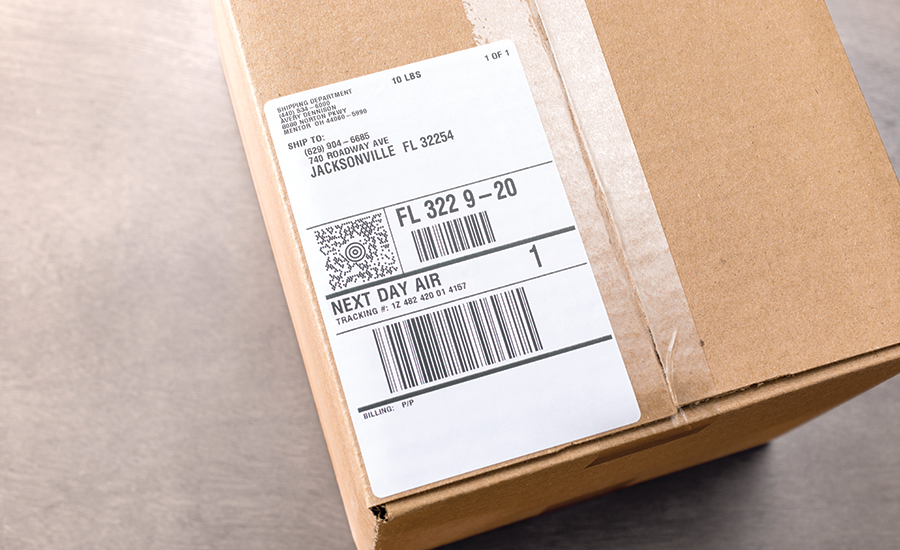
You go to the store for a few necessities. You notice labels on various products such as packaged food, hair care, and creams. Anytime you see a label on an item, this is the work of a packaging and labeling service!
You may think to yourself, “That job sounds so easy! All you do is slap some colors, words, and maybe a picture together and you sell it.” While this a simplified version of the job, there’s a lot more to take into consideration than that. You will need to do research on your target customer to use colors and designs that will pique their interest, as well as include relevant information about a product.
With the ever growing supply and demand of today’s market, those who work within product packaging and labeling need to work hard to help their products stand out. When a packaging and labeling business first begins, they can usually charge $40 per hour. As they gain experience, credibility, and clientele, they can begin charging upwards of $100 or more per hour. Working a 40 hour work week at $40 per hour will bring you in $76,800 annually!
This side hustle takes skill, creativity, and dedication. This is something that you will have to work hard on and put in hours outside of working for clients (think balancing books, updating software, reaching out to potential customers, etc.). The best part of this kind of work is that as long as people are buying products and services, there is never a demand shortage! You can even make this side hustle a main hustle if you put in enough effort.

Step one: Figure out your market. Who are you trying to sell to? What’s the product? Most people who own a packaging and labeling business have a niche category that they make their products for. This helps you to build a portfolio and a reputation that encourages other people in that arena to come to you for stellar work.
Once you decide who you are designing for, you need to keep in mind what they may like. If you are designing for an eco-friendly product, it would be wise to consider using biodegradable cardboard if possible to support their beliefs.
Step two: Create a personalized ecommerce platform. This is where potential customers will go to check out your brand. Here is a list of great e-commerce platforms for beginners.

Step three: Once your e-commerce platform is up in running, you will need to include an online label design software. This tool will be invaluable to you and your business as it will help everything run seamlessly and automate business workflows for improved approval and turnaround time.
Step four: As any business would, you will create a business plan. This will be the time to decide your plan of launch, reach, and expansion. You will also need to create a budget with contingencies to account for any mishaps that may happen to keep you financially afloat. Here is a sample of some revenue and costs:

You can always do print-on-demand to avoid having to create products before sales.
Step five: Choose your materials and your material handler. You will need to decide what material is best for your product, and once this is decided, you will need to figure out who you will be buying these supplies from. It’s best to research the material to ensure your products are holding up to you and your consumers standards.

Step six: Develop your brand. Now that you’ve done most of the hard work, it’s time to get your name out there. Start promoting yourself online and register yourself as a business.
Step seven: How will you deliver your products? Will it be print-on-demand or another way? You will want to find reliable vendors who can help you implement your business supply model.
Tips
Private packaging and labeling has been shown to be lucrative. The goal of this is to sell to a larger audience at a lower price. This is possible if all parties are in agreement and okay with the transaction. This is beneficial for the private label business as they have more control over their overhead manufacturing costs and can help them determine their profit margin.