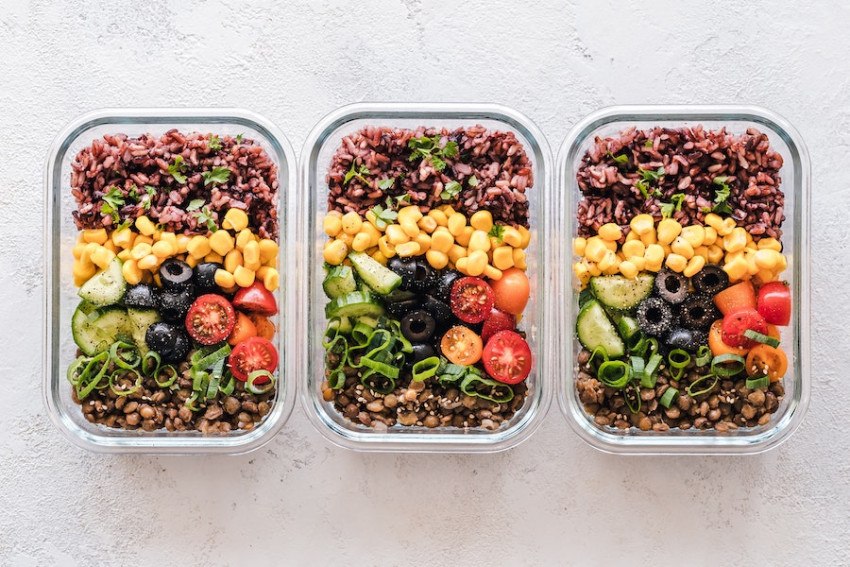
Imagine you had a long day at work and have little energy to cook once you get home. This is a reality for many people! Private food prep services allow consumers to purchase delicious food that they don’t have to spend time cooking themselves.
The pricing with these services can vary greatly depending on skill set, experience, and location. You can charge by the hour, or by the meal. More often than not, private food preppers will charge by the meal, such as $10/meal.
To calculate how much you should charge per meal, break down the cost of the meal. For example, say you are making a simple spaghetti and it costs $4 to make. You will use the equation Price= Raw Food Cost of Item/Ideal Food Cost Percentage. Your ideal food cost percentage should be somewhere between 25% and 35% so for this example, we’ll go with 30%. You will then plug in your numbers to get $13.30=$4/30%. To make the number a little more appealing, you could go with $13.50.
If you are a whiz in the kitchen (which we sure you are!), you should already have most of the supplies you will need. This could be pots, pans, spoons, mixing bowls, and cooking trays. Whatever kind of meals you will be making are the kind of cooking tools you will need. You will also need a car if you offer deliveries, but you can always schedule your clients for pickup only.
With this side hustle, it will require time management and dedication. To make it easier for you, you can have clients schedule their meals by a certain day to ensure you aren’t cooking like a mad person day-by-day. You could schedule pickup/drop off however many times a week you’d like and on set days so there are never any surprises.
Step one: Decide what dishes you plan to prepare. Are your meals going to be healthy and macro-friendly? Vegan? Italian food? While you don’t need to put yourself in a box when it comes to the meals you make, sticking close to a certain category may help you retain clients.
Step two: Calculate your prices. You will do this by using the equation mentioned previously. Below is a spreadsheet using the same example to give you an idea of what your profit from only a few clients could look like:
You will also need to decide what days you are setting aside for pickup or dropoff. Investing in a calendar will help you keep track of not only the days, but the clients as well.

Step three: Decide on a business name and meet all the proper documentation. This could be licenses, permits, and insurance and this varies by state. If this seems overwhelming to you, you can check the SBA for helpful resources. These are important to get as you want coverage if something goes awry, such as someone possibly getting sick from your food. It’s better to be safe than sorry!
Step four: Figure out where and how you will get your supplies. Buying in bulk is usually the cheapest option when it comes to prepping food. This goes for both food and container supplies. Each week, you can expect to spend money on new containers to ship your food out in. Once you decide where to order your supplies from, you may want to invest in an inventory app to help you keep track of everything you have so you can stay on top of everything.

Step five: Now that you have planned your meals and gotten all your documentation in order, you will need to begin advertising! How else will everyone know you are making delicious meals? You can create social media pages for free marketing. A well-known platform to advertise food is instagram. Here is an example of a popular page:
If you add pictures of some of your best creations, people will be flocking in to try your mouth-watering meals!

Tips:
If you apply for an agriculture license, you can bring your food to your local farmer’s market! This can help you bring exposure to your business and gain potential new clients. It is also another great marketing technique.
Charge additional for deliveries. This could be a few extra dollars and within a specific mile range, but this could bring you more customers!
Another tip to make money is to give the option of add-ons. This could be additions such as bacon, extra cheese, sour cream, etc. You can also offer substitutions for an extra cost. People love having options, and this will give them the opportunity for them to customize their meal (and put more money in your pocket!)